

Leading With Humility, Not Control


Settle In
Pour yourself a cup of coffee or tea and settle in for a few minutes.
This week, I’ve been thinking about the difference between leading people and trying to control them. The distinction can be difficult to recognize, especially when we genuinely care about what happens next.
What I’m Thinking
“Shepherd the flock of God which is among you…not as being lords over those entrusted to you, but being examples to the flock.”
—1 Peter 5:2–3
Sometimes control doesn’t look controlling.
It looks like one more reminder was sent because we’re afraid something will be forgotten. It sounds like explaining our point again, only a little louder this time. It appears in a hallway when we try to steer a conversation toward the outcome we have already decided is best.
We may even call it leadership.
Peter offers another way: “Shepherd the flock of God which is among you…not as being lords over those entrusted to you, but being examples to the flock.”
There’s something wonderfully grounded in the word “shepherd.” A shepherd doesn’t stand at a distance issuing orders. He stays near. He watches carefully. He learns when the flock needs to move and when it needs to rest.
That kind of leadership requires humility because people cannot be managed like projects.
Still, control can feel safer. When the future is uncertain, control gives us the illusion that we can hold everything together. We try to manage another person’s response, hurry their healing, settle their questions, or persuade them to make the choice we believe is right.
I understand that impulse. I’ve felt it myself. We may carry it into a hospital room, wanting a suffering family to experience peace before they’re ready. A pastor may carry it into a difficult meeting because the church already feels fragile. A parent may carry it to the kitchen table, fearful of what will happen if a child chooses a different path. A caregiver may hold everything so tightly because letting go feels like allowing the whole world to fall apart.
Often, beneath our need for control is fear. Fear that someone will fail. Fear that we will be blamed. Fear that the situation will grow worse. Fear that God will not act quickly enough.
But God doesn’t ask us to control those entrusted to our care. He asks us to love them, serve them, guide them, and become examples of His character among them. God-shaped leadership creates room for people to breathe, speak honestly, grow slowly, and respond freely.
We see this most clearly in Jesus. Jesus possessed all authority, yet He didn’t use that authority to dominate frightened or wounded people. He knelt before His disciples and washed their feet. He asked questions. He noticed those others passed by. He walked patiently with people whose understanding was incomplete.
And at the cross, Jesus didn’t preserve His position by force. He gave Himself in love. His resurrection reminds us that the future of God’s work never depended upon our ability to control everything.
That truth matters for our emotional and spiritual health, too. When we’re exhausted, anxious, or carrying unresolved pain, our world can begin to feel very small. We may grip people and outcomes more tightly because uncertainty has become difficult to bear. Our bodies remain tense. Our thoughts rehearse conversations. We lie awake trying to solve what cannot be solved before morning.
Sometimes we do the same thing to those who are hurting. We push for answers when they need safety. We offer direction when they need to be heard. We try to move grief along because sitting beside it makes us uncomfortable.
Humility pulls up a chair. It’s like placing a warm mug into someone’s cold hands. It doesn’t fix the weather outside. It doesn’t answer every question. It simply says, “You don’t have to carry this moment alone.”
Perhaps that’s one way we can practice humble leadership this week. Before responding, correcting, or offering advice, we can pause and ask ourselves: Am I trying to serve this person, or am I trying to control the outcome?
That sounds simple, but it isn’t easy. The people entrusted to us belong to God before they belong to our plans. We can offer wisdom. We can establish healthy boundaries. We can speak the truth with love. But we can also loosen our grip and trust God to work in ways we cannot force or hurry.
Sometimes the most Christlike form of leadership is a steady presence, an open hand, and enough humility to leave the outcome with God.
Four Questions to Sit With
Where might fear be causing me to hold too tightly to a person or an outcome?
When someone shares a struggle with me, do I listen first or move quickly toward advice and correction?
How can I lead through my example rather than through pressure?
What situation do I need to place back into God’s hands this week?
A Prayer
Lord, show me where fear has made me controlling. Teach me to lead with humility, patience, and love. Help me listen before speaking, serve without needing recognition, and trust You with the people and outcomes I cannot manage. Form the gentle leadership of Jesus within me. Amen.
A Benediction
May the Shepherd who leads you with patience teach you to lead others with an open hand, a listening heart, and a quiet trust in God.
Before You Go
Think of one person you’re responsible for leading, serving, or caring for. This week, offer that person the gift of unhurried listening without immediately trying to fix what they share.
If this reflection encouraged you, please share it with a pastor, caregiver, chaplain, ministry leader, or friend who may need the reminder that faithful leadership doesn’t require carrying every outcome.
Song to Sit With
CityAlight’s song “Shepherd” beautifully illustrates 1 Peter 5:2–3 by portraying Jesus as the faithful Shepherd who lovingly leads, protects, and remains present with His people. Christian leaders are called to reflect His example—caring for God’s flock willingly and humbly, not seeking control or personal gain. As they follow the Shepherd themselves, they can lead others through difficult valleys with compassion, courage, and faithful service.

This is one of the reasons I wrote Shepherding Minds. Saying, “I’ll pray for you,” is meaningful, but people struggling with their mental health often need us to stay, listen, follow up, and walk alongside them. My hope is that this book will help people offer support with greater understanding, compassion, and wisdom.
Shepherding Minds is Almost Here! Pre-order the eBook Today. Paperback releases September 1.
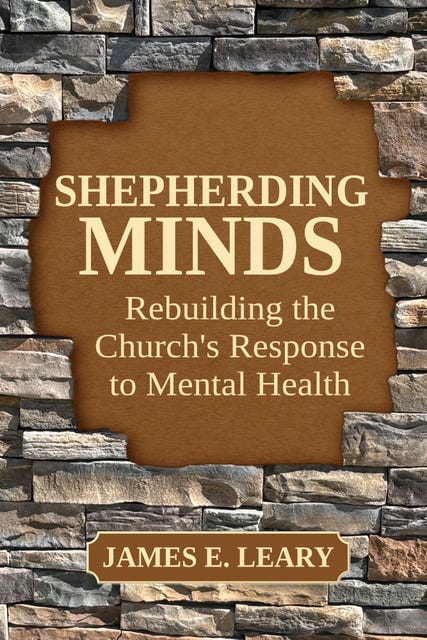
The Shepherding Minds eBook Is Now Available for Pre-Order!
This book is written for pastors, church leaders, care teams, chaplains, and compassionate Christians who want to respond more wisely when people in their churches are struggling with anxiety, depression, grief, trauma, or other mental health challenges. Shepherding Minds offers practical guidance for caring with greater wisdom, compassion, and confidence. It also follows the story of Nehemiah as a model for rebuilding the broken walls of care around those who are hurting in our churches.
Pre-ordering helps build early momentum and gives this message a greater opportunity to reach churches, leaders, and people who need help and hope. The eBook will be delivered on August 1. Pre-order your copy here.
The Shepherding Minds Paperback Edition will also be available on September 1.
Pre-ordering details are coming soon. If you know a pastor, elder, deacon, chaplain, counselor, or church leader who wants to strengthen their church’s response to mental health, I’d be grateful if you would share this post with them.
Thank you for your prayers, encouragement, and support.
Leave A Voice Reflection
One of the unexpected joys of writing The Chaplain Writer Digest is hearing how these reflections meet people in the middle of real life. If something in this week’s edition encouraged, challenged, or stayed with you, I would be grateful to hear from you; a few honest words are more than enough. You can leave a brief 90-second voice message here or email me at jim@thechaplainwriter.com. And if you have not yet subscribed, I would be glad to welcome you into this growing community of weekly, freely offered reflections shaped by encouragement, perspective, and gospel-centered care.
About The Author
James E. Leary, D.Min. (Jim) is a hospice chaplain, former pastor, and author of Embracing Gethsemane: Navigating Life’s Darkest Moments, available on Amazon for readers who want to explore these themes more deeply. He writes weekly at The Chaplain Writer Digest, offering thoughtful spiritual reflections and practical encouragement for everyday faith.
Support the Work
If The Chaplain Writer Digest has encouraged you or deepened your understanding of the burdens people carry, please consider supporting this work through a voluntary pledge. Your partnership keeps these weekly reflections free while helping develop Shepherding Minds resources, training, and tools for churches. Your pledge is an investment in compassionate, gospel-shaped care that equips pastors, strengthens churches, and helps people receive meaningful support.
📣 Share This With Someone
If today’s reflection encouraged you, consider forwarding it to a friend who might also benefit from the encouragement.
🛑 Disclaimer
This content is for inspiration and reflection and is not a substitute for professional counseling or mental health care. If you or someone you know is struggling, please reach out to a trusted professional.
© 2026 The Chaplain Writer LLC
Thanks for reading The Chaplain Writer Digest! Subscribe for free to receive new posts and support my work
Jim I absolutely LOVE everything about this article!!!!!!!!!! 🥰🙏
Thank you, thank you, thank you for obeying the calling God has for your life!!!!!!! ✝️🙏
Your work is so desperately needed in churches and the world at large. ✝️
God bless you!!!!!!! ✝️